
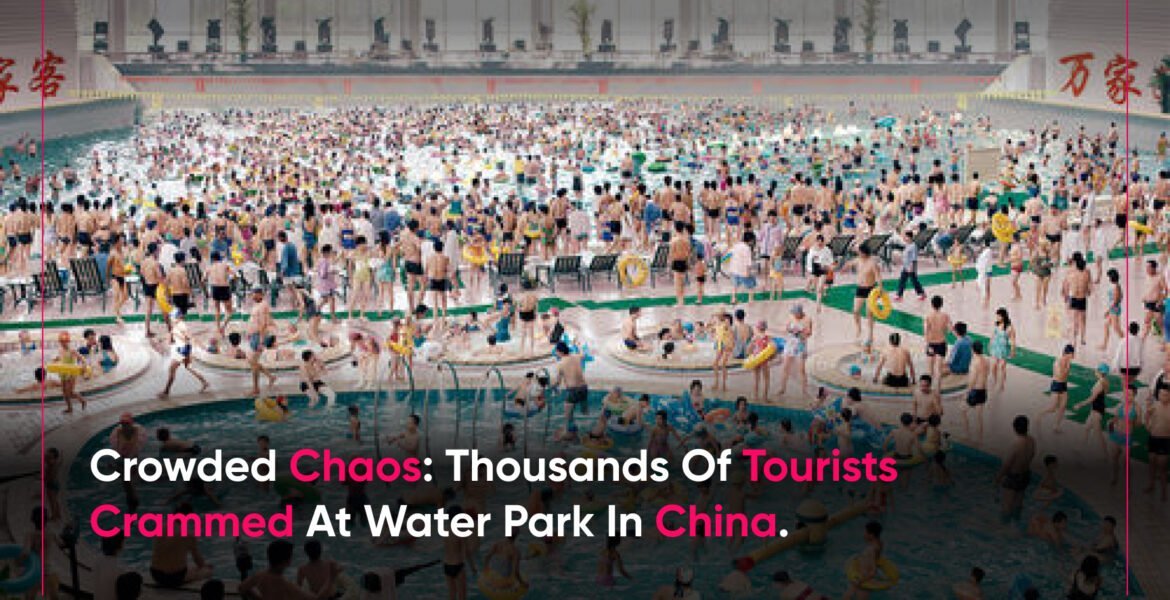
In a surprising display of overcrowding, a water park in northern China has become a hotspot for thousands of tourists seeking respite from the summer heat. Local media has obtained permission to release a video that exposes the alarming scene at the park, showcasing the disregard for social distancing guidelines. Recorded on August 7 in the city of Daqing, Heilongjiang Province, the footage reveals a packed swimming pool filled with tourists tightly squeezed together, utilizing inflatable rubber rings. This article will delve into the details of this overcrowding phenomenon, including eyewitness accounts, insights from water park employees, safety measures implemented, and the potential consequences for public health and safety.
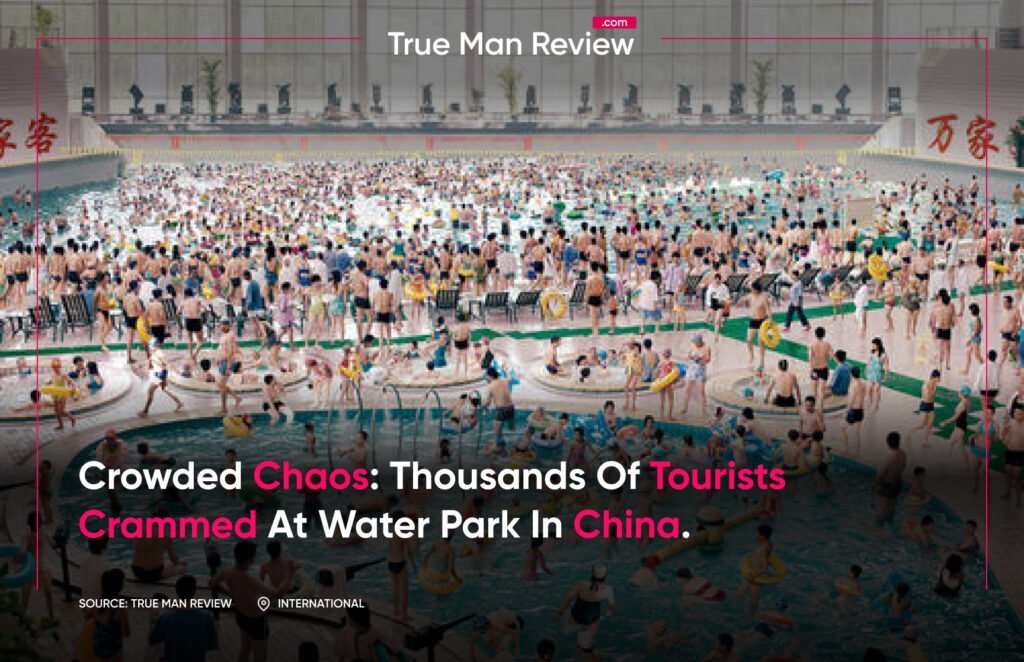
Amidst the scorching summer temperatures, water parks offer a refreshing escape for individuals and families seeking relief and entertainment. However, the incident at the water park in Daqing, China, raises concerns about the safety and well-being of visitors in crowded environments. The video footage depicting the pool filled with a sea of people has sparked a heated debate about social responsibility, public health, and the enforcement of safety regulations.
Eyewitness accounts from individuals like Liu, who witnessed the overcrowding firsthand, shed light on the magnitude of the situation. Liu and his family were among the thousands of visitors who flocked to the water park on that particular day. He expressed shock and concern at the lack of personal space and the potential risks associated with such overcrowding. In an interview with Heilongjiang Television, an employee of the water park confirmed that these overcrowded conditions are not uncommon during weekends and holidays when the demand for leisure activities peaks.
The water park management, in response to the growing concerns, has implemented certain safety measures to mitigate the risks associated with overcrowding. Limiting the number of visitors allowed at a time is one such measure aimed at maintaining a manageable crowd size and preventing potential accidents or incidents. These restrictions, though necessary, can pose challenges in balancing visitor satisfaction and safety.
The incident at the water park highlights broader issues related to public health and safety regulations. The COVID-19 pandemic has heightened awareness about the importance of social distancing and crowd management. Authorities and establishments must strive to strike a balance between economic interests and safeguarding public well-being. It raises questions about the efficacy of enforcement mechanisms and the responsibility of both visitors and management in adhering to safety protocols.
In the aftermath of this incident, it is crucial to address the implications for public health and safety moving forward. Water parks and other recreational venues must reassess their crowd control strategies, taking into account the lessons learned from this episode. Enhancing staff training, implementing technology-driven crowd monitoring systems, and educating visitors about responsible behavior can contribute to a safer and more enjoyable experience for everyone.
Furthermore, the incident serves as a reminder for individuals to prioritize their well-being and make informed choices when participating in public activities. While the allure of water parks and similar attractions is understandable, it is essential to be mindful of one’s surroundings and assess the risks involved. This incident should prompt visitors to consider alternative ways of enjoying leisure time while prioritizing safety and respecting social distancing guidelines.
In conclusion, the crowded water park incident in Daqing, China, serves as a stark reminder of the challenges posed by overcrowding and the importance of maintaining public health and safety. It highlights the need for proactive measures, responsible behaviour from both visitors and management, and ongoing evaluation of crowd control strategies. By addressing these issues, water parks and recreational establishments can create a safer and more enjoyable environment for all visitors.
Importance Of Water Park
Water parks hold a special place in the hearts of people of all ages, providing a delightful escape from the scorching heat and offering a unique recreational experience. These aquatic wonderlands have become increasingly popular worldwide, drawing crowds of eager visitors seeking fun, relaxation, and a break from their daily routines. But why are water parks so important? Let’s explore the significance and benefits they bring to individuals, families, and communities.
- Refreshing Fun and Entertainment: Water parks offer a refreshing and thrilling way to beat the heat during hot summer months. The exhilarating water slides, wave pools, lazy rivers, and splash pads provide a plethora of water-based attractions that bring joy and excitement to visitors of all ages. Whether it’s the adrenaline rush of zooming down a towering slide or the simple pleasure of floating lazily along a gentle stream, water parks offer a wide range of activities that cater to various preferences and ensure an unforgettable day of fun and entertainment.
- Bonding and Family Time: Water parks serve as fantastic venues for families to spend quality time together. With an array of attractions suitable for different age groups, families can enjoy shared experiences, creating lasting memories and strengthening their bonds. Parents can join their children on thrilling rides, splash around in the pools, or simply relax together in a shaded area. Water parks provide a space for families to disconnect from the digital world and engage in interactive play, fostering connection and togetherness.
- Health and Well-being: Engaging in water-based activities at water parks offers numerous health benefits. Swimming is a low-impact exercise that promotes cardiovascular fitness, muscle strength, and overall endurance. It provides an excellent full-body workout without placing excessive strain on joints, making it suitable for people of all fitness levels. Water parks also encourage physical activity through various water-based games and attractions, helping individuals stay active while having fun. Additionally, being in a water park environment can promote relaxation, reduce stress, and enhance overall well-being.
- Learning and Skill Development: Water parks provide opportunities for individuals, especially children, to develop and enhance essential life skills. Swimming in a controlled and supervised environment allows beginners to gain confidence in the water and learn valuable water safety skills. Water parks often offer swimming lessons and water safety programs, equipping individuals with essential knowledge that can potentially save lives. Furthermore, attractions like water slides and obstacle courses can help improve balance, coordination, and spatial awareness.
- Economic Impact and Community Development: Water parks contribute significantly to local economies by attracting tourists, generating revenue, and creating job opportunities. These recreational facilities often require a substantial workforce to operate and maintain, providing employment for local residents. The influx of visitors also boosts the tourism industry, stimulating the local economy through spending on accommodations, dining, and other related services. Water parks can become community hubs, fostering a sense of pride and identity while attracting visitors from near and far.
World’s Three Largest Water Park
- Chimelong Water Park – Guangzhou, China: Located in Guangzhou, China, Chimelong Water Park holds the title of the world’s largest water park. Spanning an astonishing 650,000 square meters, this water park boasts an impressive collection of attractions. From heart-pounding water slides like the Tornado and Behemoth Bowl to the sprawling wave pool and lazy river, Chimelong Water Park offers an unparalleled aquatic experience. Its elaborate theming, tropical landscapes, and stunning architecture further enhance the overall ambiance, making it a must-visit destination for water park enthusiasts.
- Tropical Islands – Krausnick, Germany: Nestled in Krausnick, Germany, Tropical Islands is the largest indoor water park in the world. Housed in a massive former airship hangar, this unique water park offers an unforgettable tropical escape, regardless of the weather outside. Tropical Islands features a vast array of attractions, including a gigantic indoor beach, multiple pools, thrilling slides, and even a rainforest with exotic flora and fauna. Visitors can relax in Bali-inspired lagoons, float along lazy rivers, or challenge themselves on adrenaline-pumping rides. The sheer size and immersive atmosphere of Tropical Islands make it a one-of-a-kind water park experience.
- Noah’s Ark Waterpark – Wisconsin Dells, United States: Situated in Wisconsin Dells, United States, Noah’s Ark Waterpark holds the distinction of being the largest outdoor water park in America. Spanning over 70 acres, this sprawling park offers an impressive collection of slides, wave pools, and family-friendly attractions. Noah’s Ark is home to some of the most thrilling water slides in the world, including the Scorpion’s Tail, Black Anaconda, and the Raja. Additionally, the park features interactive water play areas, lazy rivers, and a massive wave pool that creates ocean-like surf. With its vast size and an extensive range of attractions, Noah’s Ark Waterpark offers an unforgettable aquatic adventure for visitors of all ages.